Addicted to Hope: Where Mental Health and Justice Reform Meet
At a recovery rally in Winchester, I saw how treatment, accountability, community, faith, and second chances come together, and why Anchor 250 places Mental Health alongside Justice Reform.
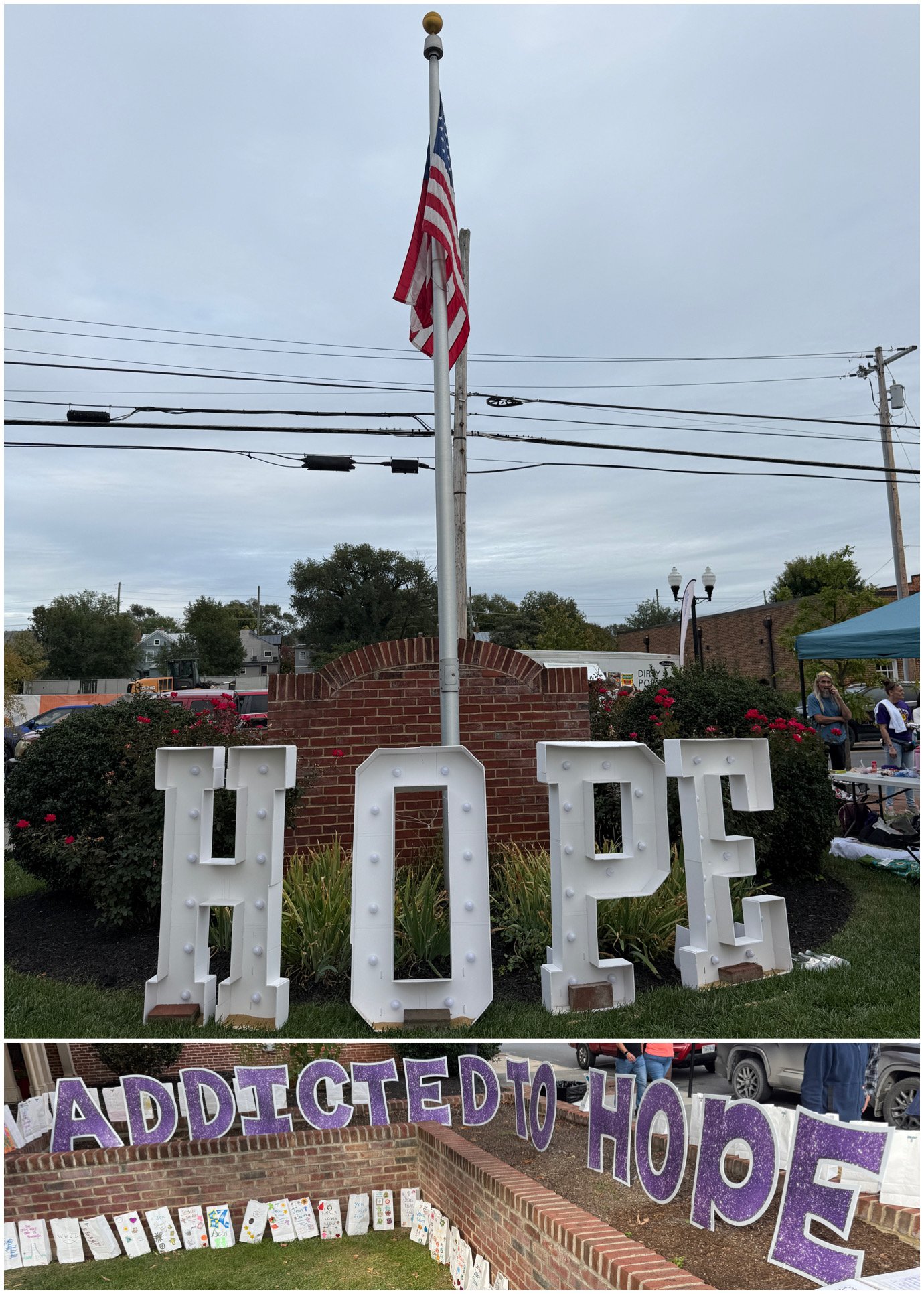
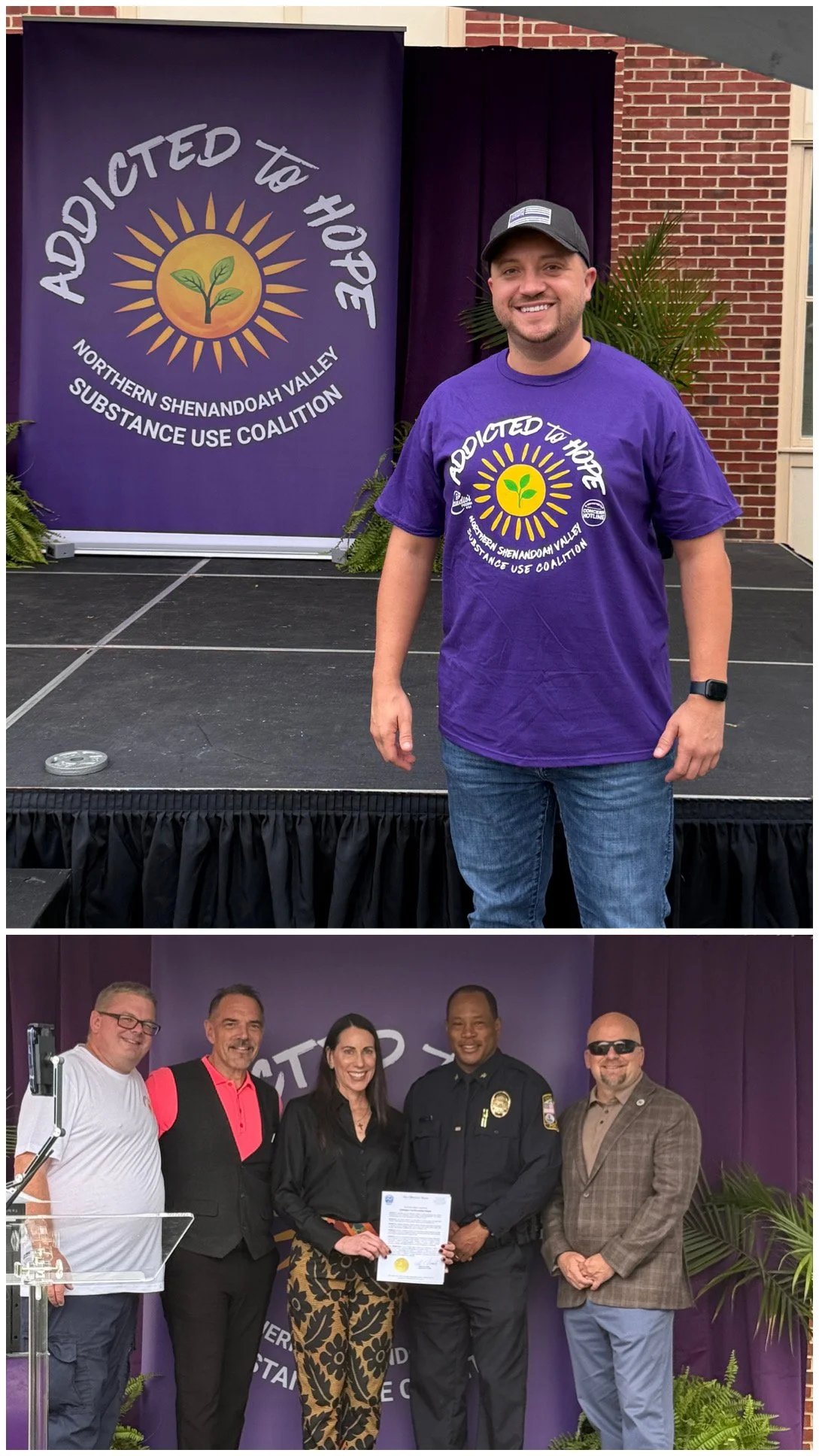
Today I attended the Addicted to Hope Rally at the Our Health Campus in Winchester as part of Anchor 250’s Mental Health pillar. Sponsored by the Northern Shenandoah Valley Substance Use Coalition, the event brought together people in recovery, families, treatment providers, peer-support organizations, advocates, and community leaders. Walking through the event, I saw more than tables, informational materials, and speakers. I saw different parts of a recovery system working side by side, each offering something that a person may need at a critical point in life. It was a reminder that recovery rarely follows one path and that lasting restoration often requires several forms of support working together.
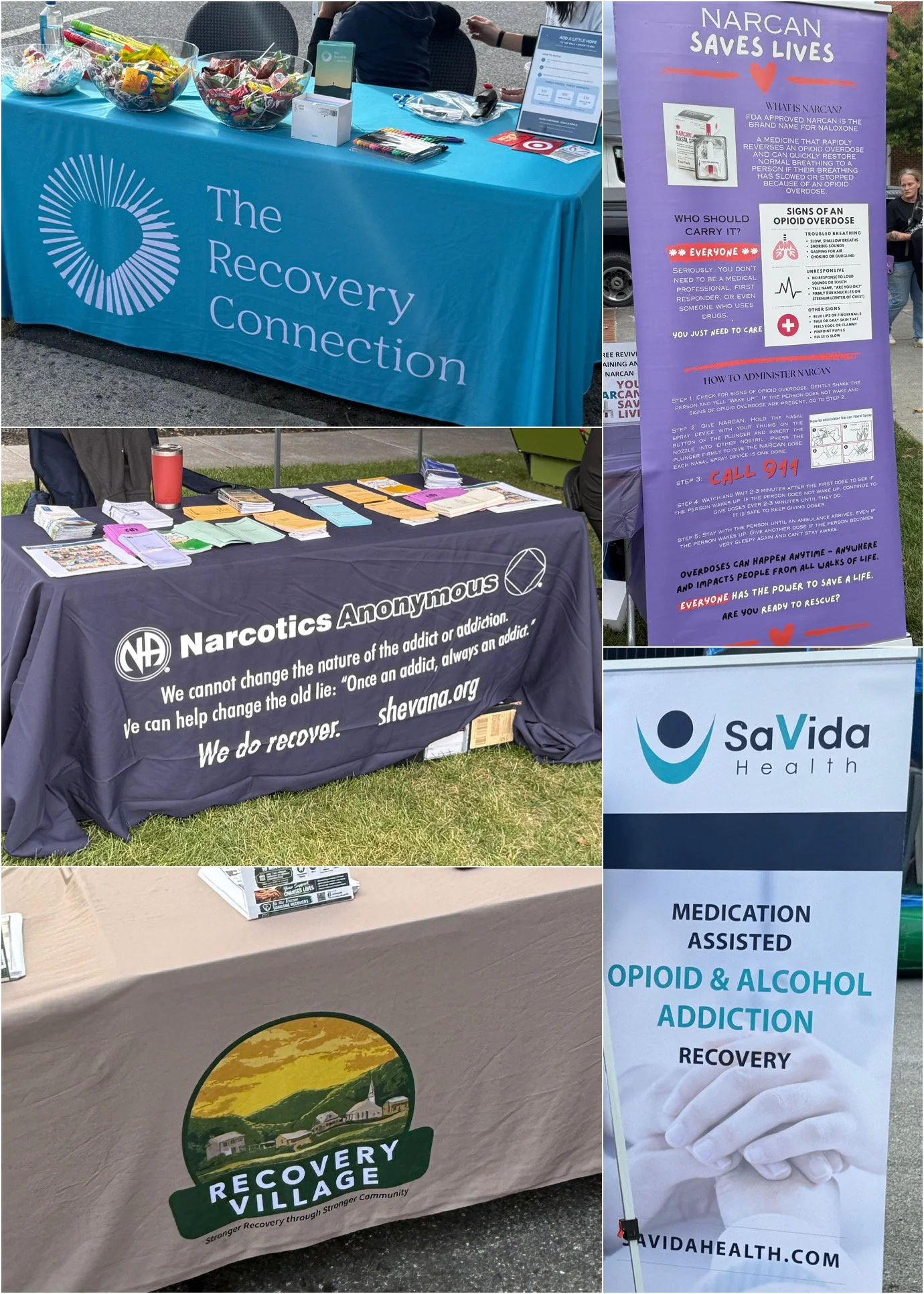
The organizations present reflected that range. The Recovery Connection provides treatment, counseling, medication management, and continued support. Narcotics Anonymous offers peer fellowship and a community for people pursuing recovery from addiction. SaVida Health represents the medical and behavioral-health side of substance-use treatment, including medication-assisted treatment. Recovery Village represents another important stage of the journey by helping people rebuild stability through housing, transportation, employment assistance, peer support, and reintegration. A Narcan education display reminded visitors of one of the most immediate realities of the opioid crisis: sometimes recovery begins simply by keeping someone alive long enough to receive another opportunity.
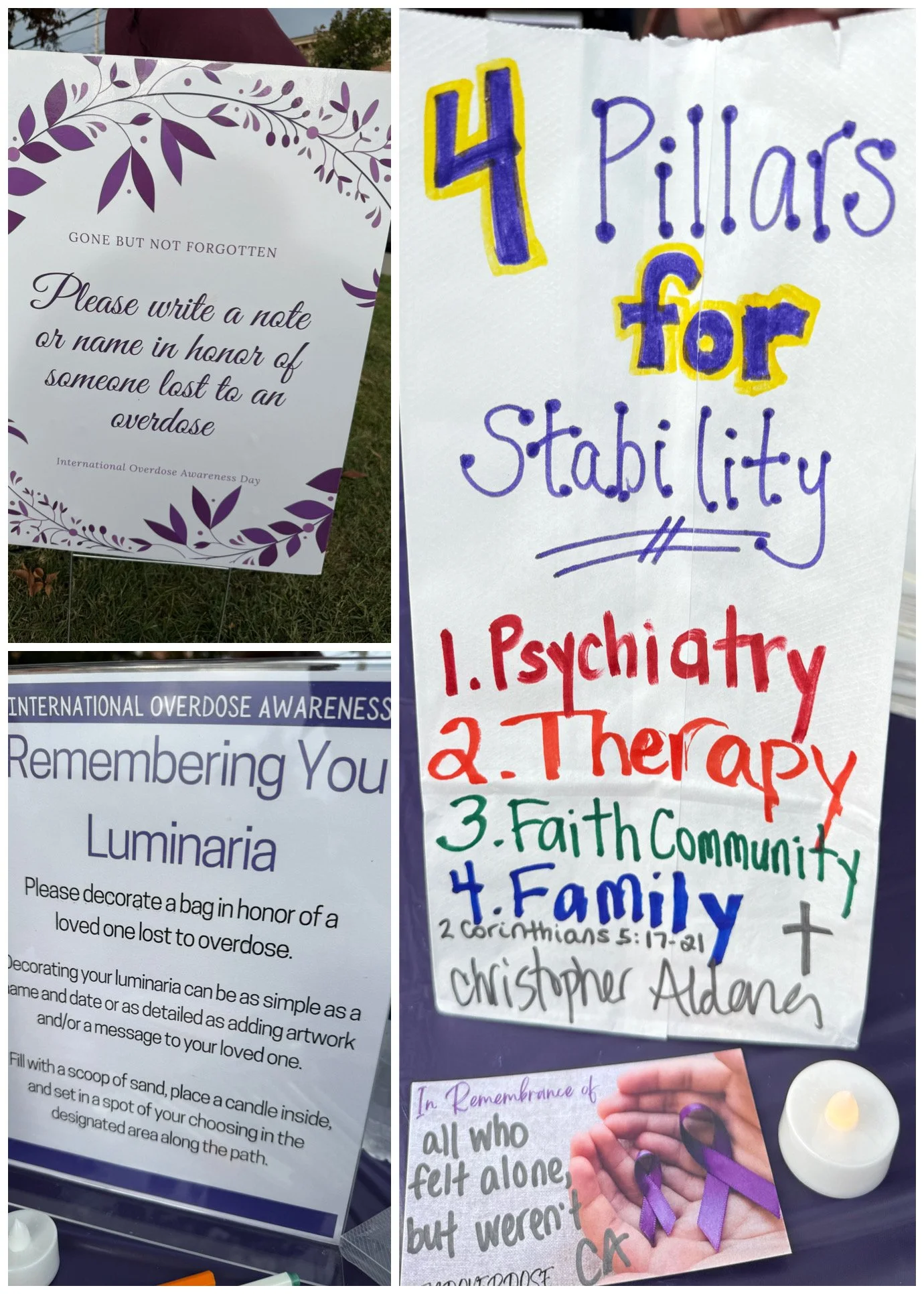
The rally also made room for remembrance. A “Gone But Not Forgotten” memorial and luminaria station honored people whose lives were lost to overdose. Hope does not require ignoring the devastation addiction has caused. It means working so fewer individuals are lost and fewer families have to carry that grief. Winchester Mayor Les Veach also spoke and presented a proclamation recognizing recovery in Winchester and beyond. Seeing local government publicly acknowledge recovery reinforced the idea that addiction and mental health should not remain hidden behind stigma. They are community issues requiring community responses.
For me, this event was deeply personal. In 2013, I survived a suicide attempt and was later diagnosed with bipolar disorder. My journey since then has included psychiatry, therapy, medication, family, faith, accountability, and a great deal of work learning how to live with balance and stability. Today, my bipolar disorder is under control, and it has been seven years since my last psychiatric hospitalization. I have spent years working on neuroplasticity, understanding how the brain can develop new patterns, and learning how my thoughts, behaviors, routines, and responses affect my stability. I have learned to recognize warning signs, protect healthy routines, remain balanced, and make intentional choices that support mental and emotional health.
Those experiences eventually became the foundation of my Four Pillars Model: Psychiatry, Therapy, Family, and Faith Community. At the rally, I wrote those four pillars on a community display and added 2 Corinthians 5:17-21, a passage that has shaped how I understand reconciliation and restoration. My faith is not separate from my mental health advocacy. It is what drives it. I believe Christ calls me to be an ambassador of hope through Christ, carrying a message of reconciliation, dignity, restoration, and the possibility of a different future. Recovery is not only something I advocate for. In my own way, it is something I have lived.
My understanding of recovery was also shaped during my years within the criminal justice system. While on probation, I met people struggling with substance abuse and addiction who were simultaneously trying to satisfy court requirements, remain sober, secure employment, find transportation and housing, rebuild relationships, and create healthier lives. Their experiences were different from mine, but I understood what it meant to rebuild after crisis. Those years showed me that accountability is necessary, but accountability by itself cannot address every underlying problem. People also need treatment, structure, opportunity, support, and someone willing to believe that genuine change is possible.
That is why Mental Health sits alongside Justice Reform within Anchor 250. The two intersect in courtrooms, probation offices, recovery courts, treatment programs, emergency rooms, families, and communities every day. Justice must protect the public and hold people accountable for wrongdoing. At the same time, accountability and rehabilitation do not have to compete with one another. A justice system can demand responsibility while still creating legitimate pathways for people who demonstrate change to rebuild productive lives. The Northern Shenandoah Valley Substance Use Coalition itself reflects that intersection by bringing together treatment professionals, law enforcement, probation personnel, court staff, health care providers, and community organizations.
Today reminded me why Anchor 250 takes its five pillars into the field rather than treating them as abstract policy categories. Mental health, addiction, recovery, and justice reform are ultimately about people. They are about someone seeking treatment, a family praying for another chance, a professional connecting someone with resources, or a person in recovery choosing another day of sobriety. Recovery is not one program, one medication, one meeting, or one pathway. It is an ecosystem of accountability, treatment, support, faith, community, opportunity, and hope. That is what I saw in Winchester, and it is the kind of restoration Anchor 250 was created to pursue.
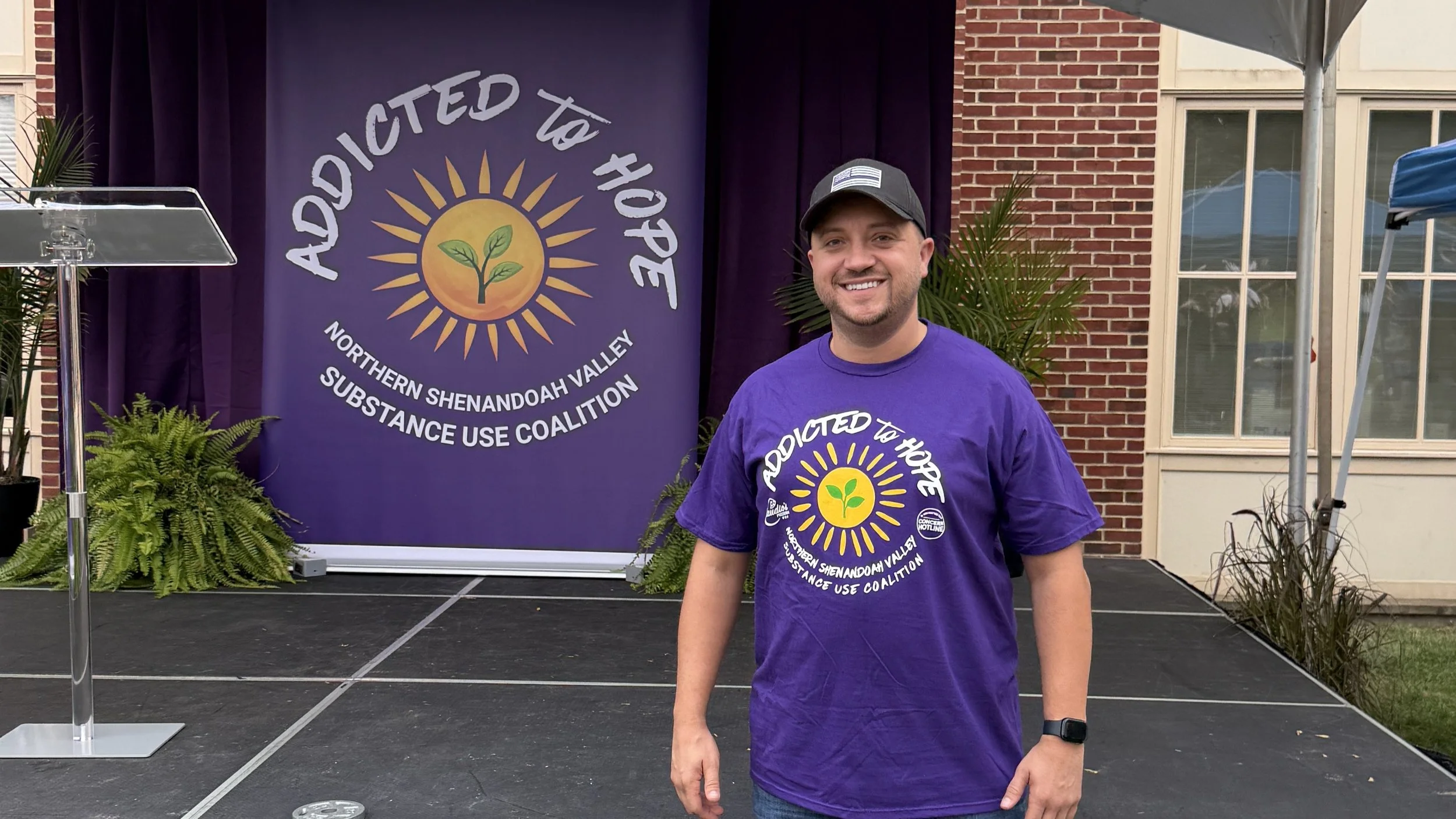
At Winchester’s Addicted to Hope Rally, I saw how treatment, peer support, prevention, faith, and accountability come together. My own mental health journey and experiences around addiction and probation are why Anchor 250 places Mental Health beside Justice Reform.